
In recent years, there has been a growing awareness around the importance of “nervous system regulation” when it comes to mental and emotional wellbeing. More people are beginning to recognise that stress, anxiety, overwhelm and burnout are not simply problems of mindset, but experiences deeply connected to the way the body and brain respond to the world around us.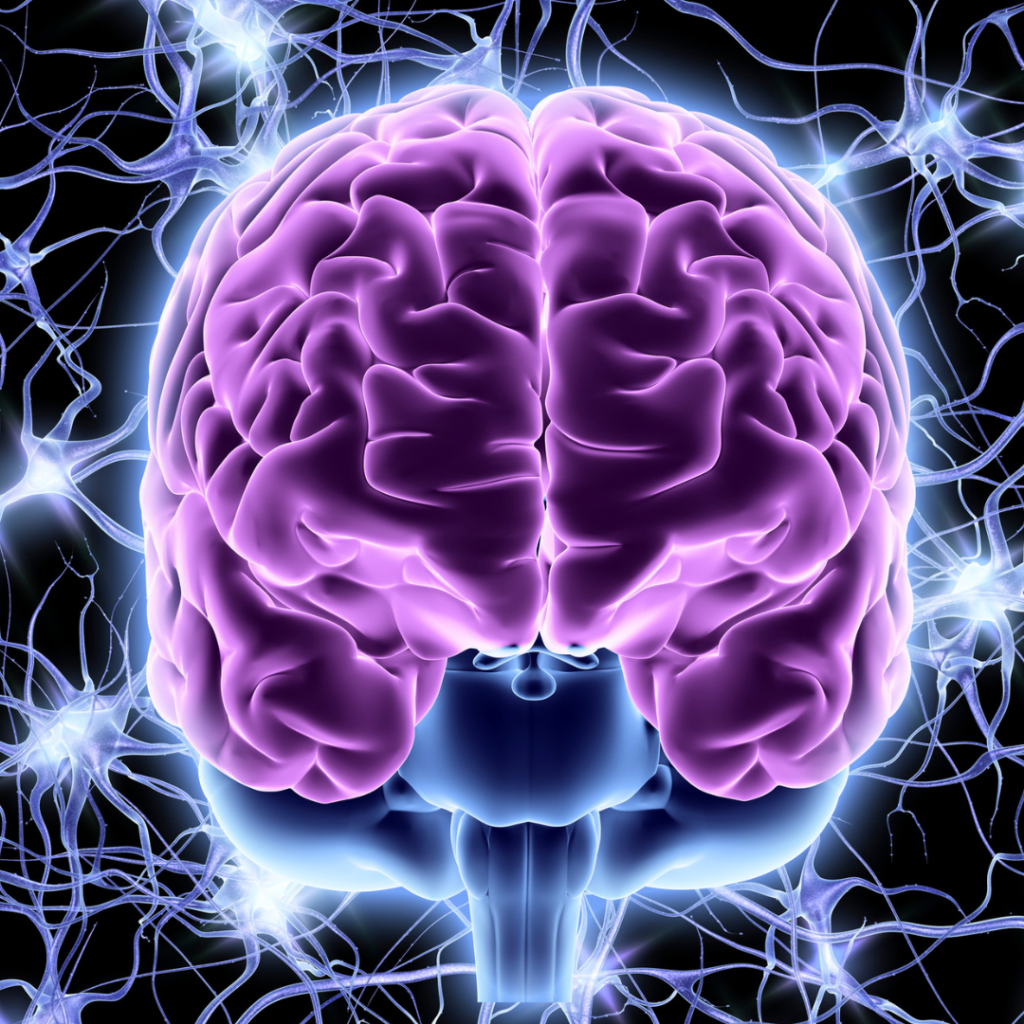
We live in a fast-paced society where many people spend much of their time switched “on.” Emails, notifications, work pressures, family responsibilities and the constant demand to keep going can leave the nervous system in a prolonged state of alert. Over time, this can affect sleep, concentration, mood, confidence and overall health. Often, people describe feeling stuck in survival mode, unable to truly relax even when they desperately want to. And this is where nervous system regulation becomes so important.
How it works…
At its core, nervous system regulation is about helping the body feel safe again. When we feel calm and secure, the brain is able to think more clearly, process emotions more effectively and respond to situations with greater balance. However, when the nervous system is dysregulated, even small challenges can feel overwhelming. People may find themselves becoming more reactive, anxious, exhausted or emotionally drained.
Where’s the Polar Bear?
The nervous system is designed to protect us. Our stress response is incredibly clever and helpful in moments of genuine danger. The problem is that modern life can cause the brain to interpret everyday pressures as threats, keeping the body in a near-constant state of fight, flight or freeze. This is not a sign of weakness or failure; it is simply the nervous system doing its job a little too well.
Solution-focused hypnotherapy offers a gentle and practical way to support nervous system regulation. Rather than dwelling heavily on the past or repeatedly analysing problems, Solution Focused Hypnotherapy focuses on helping clients move toward calm, resilience and positive change.
Psychoeducation
One of the most empowering aspects of this approach is psychoeducation. Clients learn how the brain works under stress and why they may be feeling the way they do. Understanding the role of the amygdala, often referred to as the brain’s “alarm system,” can help people make sense of anxiety and overwhelm without judgement. Many clients feel relieved to realise that their reactions are not irrational, but biological responses driven by an overactive stress system.
Relax…
Hypnosis itself can play an important role in calming the nervous system. During trance, the body naturally begins to relax, breathing often slows, muscles soften, and the mind becomes quieter. This relaxed state helps reduce stress hormones and encourages the parasympathetic nervous system, sometimes known as the “rest and digest” state, to become more active. In many ways, hypnosis provides the brain and body with an opportunity to reset.
Repetition, repetition, repetition…
Repeated experiences of relaxation can also help create new neural pathways over time. Just as stress patterns can become deeply ingrained, calmness can also be practised and strengthened. The brain is wonderfully adaptable, and with consistency, people can begin to feel more emotionally balanced, more resilient and better able to cope with daily life.
Just Breathe…
Breathing techniques are another valuable tool often integrated into Solution-focused Hypnotherapy. Conscious breathing can have a direct effect on the nervous system, signalling safety to the brain and helping the body move out of stress mode. Even a few slow, intentional breaths can interrupt anxious thought patterns and create a greater sense of grounding. And that is why I trained as a Breath Coach in 2025.
Importantly, nervous system regulation is not about becoming calm all the time or eliminating stress entirely. Stress is a normal part of life. The goal is to increase flexibility within the nervous system so that the body can move more easily between states of activation and relaxation. A regulated nervous system allows us to experience challenges without becoming consumed by them.
Many people seeking hypnotherapy are highly capable individuals who have spent too long operating under pressure. They may appear to be coping on the outside while feeling exhausted, disconnected, or overwhelmed on the inside. Creating space for rest, reflection and nervous system support can be transformative, not only for mental wellbeing but for physical health, relationships and overall quality of life.
Fact!
In a world that often rewards busyness and constant productivity, learning to regulate the nervous system can feel surprisingly unfamiliar at first. Yet slowing down, breathing deeply and allowing the mind and body to settle are not luxuries; they are essential parts of maintaining wellbeing.
Solution-focused hypnotherapy offers a calm, forward-looking and compassionate approach to this process. By combining neuroscience, relaxation and positive therapeutic techniques, it helps clients reconnect with a sense of safety, balance and confidence, creating the foundations for lasting change.